June 2026 Message from Planning and Community Development Director Emma Bolin
Planning in the Public Interest: From “NIMBY” to Stewardship
Have you heard of the term, NIMBY? It means “Not In My Backyard” and characterizes a human response that can emerge when confronted with a changing community landscape.
It is a label that surfaces often in planning conversations—but reality is usually more nuanced. We all carry perspectives and lived experiences that shape our preferences for the communities we call home. Perhaps NIMBY could just as easily stand for: “Nobody Informed Me of the Benefits Yet.”
That reframing speaks to both a challenge—and a responsibility—of planning: helping communities navigate change thoughtfully, transparently, and in ways that serve both current and future residents.
As planners, we are guided by the AICP Aspirational Principles. We aim to serve the public interest, consider the long-term consequences of decisions, and expand choices so that people have access to opportunity, belonging, and a high quality of life.
In practice, planning requires balancing competing values and ensuring decisions reflect the full community—not simply the loudest voices. It requires listening across differences and recognizing that good planning is rarely about choosing one value over another. More often, it is about navigating tensions thoughtfully and ethically. The 2025 Comprehensive Plan update reflects this reality, shaped by unprecedented changes in state law and an acute community need for greater housing choice and affordability.
A Lesson from the Wilderness
My perspective on this work was shaped in part by my experience as a park ranger at Olympic National Park.
Olympic taught me that stewardship is not preservation through stasis. Stewardship requires active management—protecting what matters while ensuring future generations can experience and value it.
The National Park Service mission is to preserve natural and cultural resources unimpaired for the enjoyment, education, and inspiration of current and future generations. At Olympic, this mission becomes especially complex. Ninety-five percent of the park is designated wilderness—intended to remain largely primordial in character.
Yet, for the Park service, preserving wilderness does not mean closing it off.
The Park Service manages access so people can connect with these places, because without that connection, there are fewer future stewards inspired to protect them. Rangers manage crowding, educate visitors, protect wildlife, and make difficult decisions that preserve the integrity of the landscape while allowing people to experience it.
Protection and participation work together.
Applying Stewardship to Planning
Community planning operates much the same way.
A Comprehensive Plan is not simply a technical document. It is a framework for stewardship—protecting what communities value while creating opportunity for future residents.
Planning requires us to navigate difficult tensions:
How do we maintain our intimate scale and historic character WHILE ALSO creating more compact and "walkable" community spaces, streetscapes, and neighborhoods ?
How do we respect the hopes of current residents while planning for people who will live here twenty years from now?
How do we create safer spaces for walking, biking, and transit while managing congestion and maintaining mobility?
These are not either-or choices. In many cases, they are more “both-and.” They are interconnected challenges that require thoughtful, values-driven solutions.
Growth alone does not automatically create equity. Preventing displacement, expanding housing choice, and preserving economic diversity require intentional policy decisions and ongoing implementation over the course of a 20-year plan. Stewardship means remaining attentive to unintended consequences while continuing to create opportunities for people of varying incomes, ages, and life experiences to live and thrive in the community.
Engagement as a Tool for Better Outcomes
From 2023 through 2025, the Comprehensive Plan update included extensive public engagement.
This effort went beyond traditional outreach. The City partnered with community organizations and youth groups to broaden participation and engage residents who may not typically participate in planning discussions—including those without formal representation or influence.
Through workshops, small group discussions, and community design conversations, residents helped shape ideas about housing, transportation, and community development. Those conversations informed a plan that reflects a wider range of experiences, needs, and aspirations.
From Values to Outcomes
The result is a Comprehensive Plan grounded in shared values:
- Expanding housing choice and affordability
- Supporting active transportation and safer streets
- Creating a more inclusive and accessible city
- Preserving the qualities people value about the community while ensuring future generations—and people from a wider range of incomes and life experiences—can continue to belong here
Stewardship is not preserving communities exactly as they are.
Stewardship means sustaining what matters while ensuring the people who give places meaning—the teachers, tradespeople, service workers, families, retirees, artists, young adults, and future residents who strengthen community life—can continue to belong.
Ultimately, planning—like stewardship of our public lands—is a collective endeavor.
Those who participate in planning commit to weighing competing priorities thoughtfully, making ethical judgments in the public interest, and engaging in ongoing dialogue about the future we hope to create together.
Thank you to everyone who contributed time, ideas, and lived experience to this process. Your participation strengthens not only this plan, but the future of the community we share.
 |
Emma Bolin, AICP | Director of Planning and Community Development | (360) 390-4048 x4048 | ebolin@cityofpt.us |

Contact Information
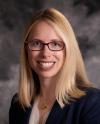
Planning and Community Development Director
Emma Bolin
(360) 390-4048
permittinghelp@cityofpt.us
Planning and Community Development General Phone:
(360) 379-5095
Building Inspection Hotline:
Permit Portal
Public Works Inspection Hotline:
(360) 390-4039
PCD Business Hours:
Monday - Thursday 9:00 a.m. - 1:00 p.m.
Address:
250 Madison Street, Suite 3, Port Townsend, WA 98368
